Gas Line Repair & Inspection in Illinois
Natural gas powers boilers, water heaters, and furnaces across Illinois, but leaking gas lines pose severe safety hazards. Connect with licensed local plumbing contractors certified for precision gas pressure testing, leak detection, and pipe repairs.
Whether your local utility shut off your gas meter due to a pressure drop test or you are upgrading appliances and need new black iron piping installed, our network connects you with vetted professionals who follow strict Illinois plumbing codes.
Critical Safety Protocols for Suspected Gas Leaks
Natural gas is naturally odorless and colorless. Utility companies inject a harmless sulfur-based chemical called mercaptan into the gas supply to give it a distinct "rotten egg" smell so property owners can detect leaks quickly.
Immediate Gas Emergency Warning
If you detect a strong odor of gas, hear a loud hissing sound near gas pipes, or observe dead vegetation directly above an underground gas run: Do not flip any light switches. Do not use electrical devices or phones indoors. Leave the building immediately. From a safe outdoor location, call 911 or your local gas utility company first, then contact our dispatch desk at (217) 216-8586 for professional code repair.
Common Causes of Gas Line Leaks
Over decades of service in older Illinois residential and commercial properties, gas piping systems experience physical wear:
- Deteriorated Pipe Thread Sealant: Pipe dope or Teflon tape used on threaded black iron joints dries out, shrinks, and cracks over 20 to 30 years, creating micro-fissures where gas escapes.
- Corroded Underground Piping: Steel gas lines buried without proper cathodic protection or poly-wrapping corrode from moist, acidic Illinois soils.
- Damaged Flexible Appliance Connectors: Corrugated metal connectors running to stoves, clothes dryers, and water heaters crack if appliances are repeatedly shifted or bumped.
- Faulty Appliance Shutoff Valves: Worn internal seals in older brass or steel gas stopcocks can fail to seal tightly when closed.
Precision Gas Diagnostic & Repair Procedures
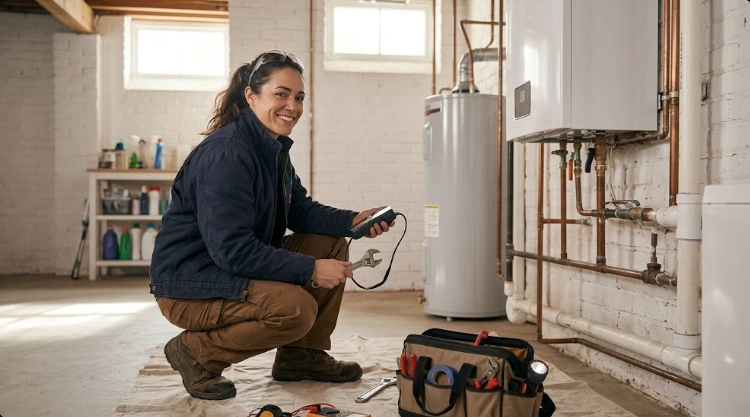
Licensed plumbing specialists follow rigorous multi-step diagnostic standards to guarantee 100% leak-free integrity:
- Digital Manometer Pressure Testing: The gas meter is disconnected and the building's piping system is pressurized with inert air or nitrogen. A calibrated digital gauge monitors static pressure over a set testing period (often 10 to 15 minutes) to verify if even microscopic pressure drops occur.
- Combustible Gas Sniffers: Electronic sensor wands pinpoint the exact joint or fitting releasing hydrocarbons, saving hours of exploratory demolition.
- Replacement with Threaded Black Iron or CSST: Technicians replace deteriorated pipe runs with schedule 40 black iron pipe or bonded Corrugated Stainless Steel Tubing (CSST) rated for modern gas distribution.
- Utility Inspection Documentation: If your utility company locked your gas meter, local municipal building codes require a licensed contractor to pull a permit, perform a certified pressure test, and submit paperwork to release the meter lock.
Understanding Cost Factors
Gas piping repair costs reflect the specialized liability, precision testing, and licensing involved:
- Scope of the Repair: Replacing a single appliance shutoff valve versus repiping a 60-foot main distribution header across an entire basement.
- Permitting & Inspection Fees: Municipalities across Illinois require mechanical permits and official city inspection before gas service can be legally restored by the utility.
- Material Accessibility: Piping routed through open basement joists is significantly faster to repair than lines concealed behind fire-rated commercial drywall.
Frequently Asked Questions
What should I do immediately if I smell gas inside my home?
Evacuate all occupants and pets from the building immediately. Do not touch electrical switches, use telephones indoors, light matches, or operate garage door openers, as any spark can ignite accumulated natural gas. Once safely outside at a distance, call 911 or your local gas utility provider (such as Nicor Gas, Peoples Gas, Ameren, or North Shore Gas), then contact our dispatch desk for certified repairs.
Do plumbers work on natural gas and propane lines?
Yes. In Illinois, licensed plumbing contractors with appropriate fuel gas certifications are legally authorized and trained to install, test, and repair natural gas and propane piping downstream from the utility meter into your home or commercial building.
How do technicians locate microscopic gas leaks?
Technicians use handheld combustible gas detectors ('electronic sniffers') capable of detecting parts-per-million concentrations of natural gas and mercaptan odorant, combined with certified bubble-testing solutions on pipe joints and static pressure drop tests using calibrated digital manometers.
What factors influence the cost of gas line repair?
Costs depend on the pipe material (threaded black iron pipe vs. Corrugated Stainless Steel Tubing / CSST), length of the run, accessibility (open basement vs. finished drywall or underground trenching for outdoor grills/generators), municipal pressure-test inspection requirements, and utility meter reconnection procedures.
Related Services
Water Heater Repair & Replacement • Emergency Plumbing • Burst & Frozen Pipe Repair • Commercial Plumbing
Connect with a Certified Illinois Gas Piping Specialist
Ensure the safety and code compliance of your gas supply system. Call our dispatch desk to connect with an experienced licensed contractor.